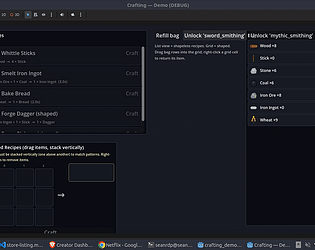
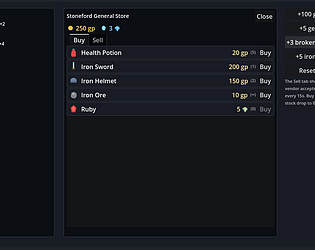
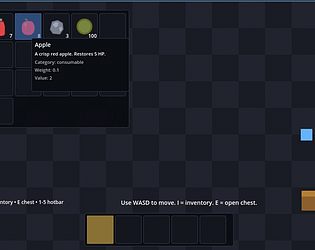
I build integrated Godot 4 systems and package them clean enough to drop straight into a real project - author them with a no-code editor dock, or open the pure-GDScript source and read every line.
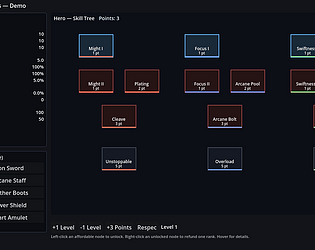
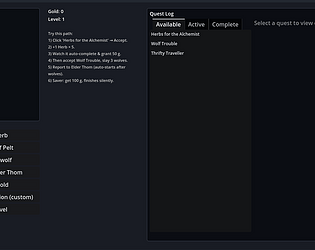
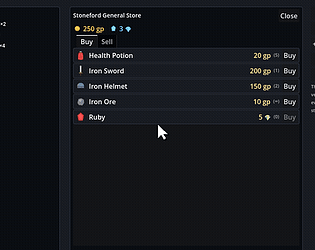
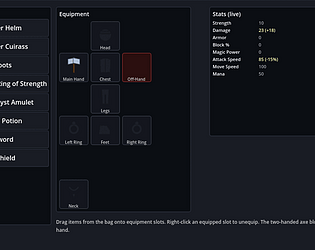
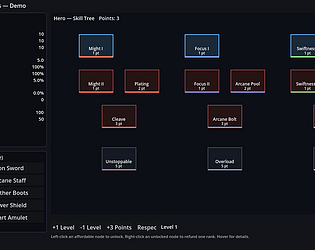
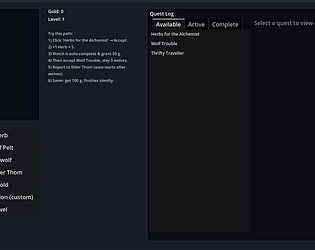
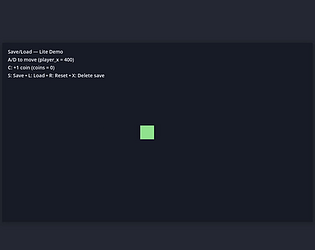
Save/Load is the spine. Inventory, Equipment, Loot, Crafting, Vendor, Quests, and Stats & Skill Trees plug into it and into each other - sharing one save contract and one item resource - so the whole set behaves like a single cohesive kit, not a drawer of unrelated assets you have to wire together yourself.
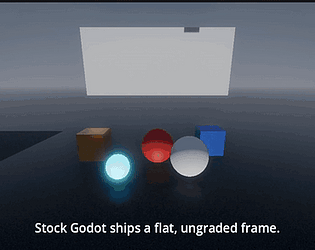
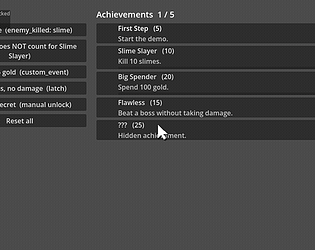
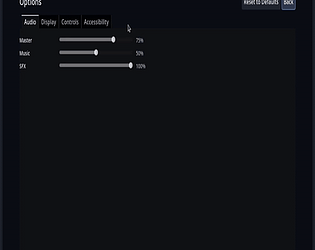
Around that backbone sit the extras that give a game life: Achievements, a save-aware Day/Night & Time system, AAA Visuals (a no-code cinematic look you drop on top), and a permanently-free Settings & Menus template - main menu, pause, options, credits, key rebinding.
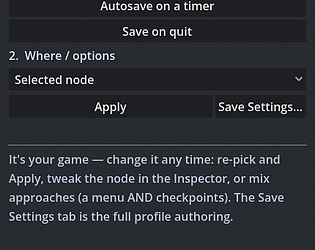
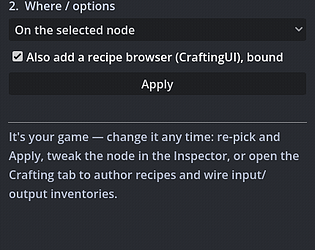
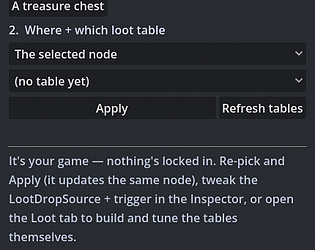
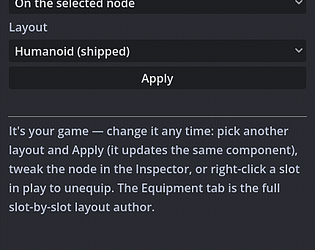
No-code, or all-code - your call. Every system ships with a Godot editor dock: pick what you want for your game, press Apply, and it's built into your scene, fully editable. Prefer code? It's pure GDScript, Godot 4.3+, readable top to bottom - no GDExtension, no C++, nothing you can't open and follow. (AAA Visuals uses the Forward+ renderer and wants Godot 4.7+ for its 3D effects.)
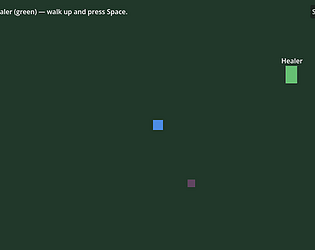
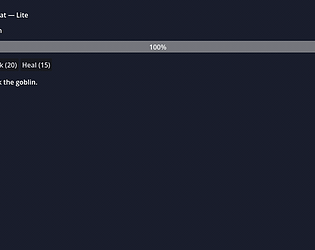
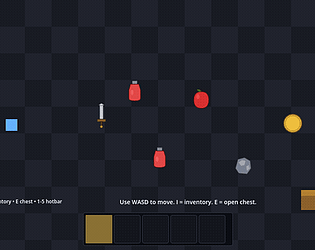
Every system ships with a runnable demo scene and real documentation - not a README stub. Drop it in, launch the demo, see it work, move on.
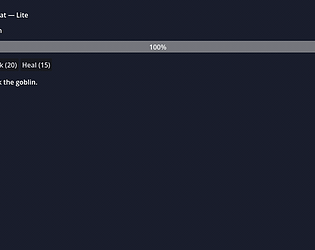
Try the whole spine for free. Every core system has a free Lite tier, and Settings & Menus is free outright - so you can wire up a working backbone before you pay for anything. Grab systems à la carte, or take the Inventory Cluster or full RPG Toolkit bundle.
I'm a working developer with a game - From Embers - shipped and selling on Steam with more on the way. These are built the way I build things I actually depend on.
Check out CindieForge.com